Ground Level’s AI toolkit for Small Business

Book recommendation

The toolkit contains practical tips, to use it safely and efficiently, as well as a list of AI tools you can start using in your business today.

Ground Level partnered with Swinburne University Students (via the Student Partnerships Program) to conduct a research project to better understand how small businesses and not-for-profits think and feel about Artificial Intelligence (AI). This toolkit is informed by the research project conducted in May 2025, that included interviews, and surveys with Australian small businesses owners, who took their time to speak with us.

Why?

The AI Toolkit for small business, a practical guide to help people use AI better. It covers:

  • What is AI?
  • Insights from the AI survey From people in small business (2025)
  • Practical tips and pitfalls
  • Optimising your prompts – SPOAK
  • AI Tools to use in your small business

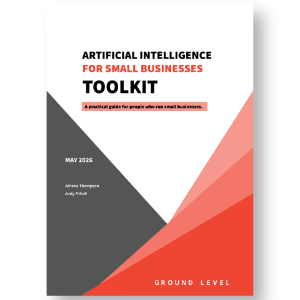
Artificial Intelligence for Small Businesses Toolkit

2026 1st Edition – A practical guide for people who run small businesses.

By: Athena Thompson and Andy Fithall
 

Rejection Sensitive Dysphoria

Book recommendation

Insight, understanding and practical guidance, the book explains where RSD comes from, how it can affect relationships, learning, self-esteem and mental health and why traditional approaches often miss the mark.

Why?

Rejection Sensitive Dysphoria (RSD) is an intense lack of capacity to process perceived or real criticism, failure, judgement, or rejection. It most commonly affects neurodivergent children and adults, particularly those with ADHD.

Rejection Sensitive Dysphoria is a resource to support a neurodivergent child or adult, or for those seeking understanding and effective strategies for the experiences they struggle with.

  • Explains where RSD stems from
  • Explains the experience of RSD in an affirming, non-pathologising way
  • Provides strategies for support

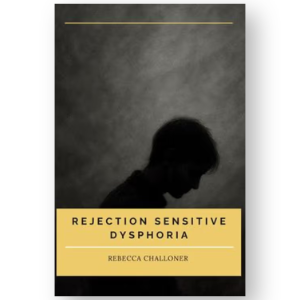
Rejection Sensitive Dysphoria

Understanding Rejection Sensitive Dysphoria in ADHD and Neurodivergent Children and Adults

27 February 2026, 1st Edition

By: Rebecca Challoner


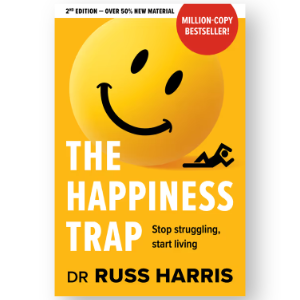
The Happiness Trap

Book recommendation

Insights and techniques of Acceptance and Commitment Therapy (ACT) help stop struggling with difficult thoughts and feelings, and find genuine happiness and purpose in life.

Why?

Dr. Russ Harris a GP who had a career change into being a therapist and coach, he explains how the pursuit of happiness longterm effect often causes suffering.

In this book he advocates for the ACT model,  which have been shown to be effective for treating conditions including anxiety, chronic pain, depression, stress, smoking, weight loss and performance enhancement.

Researchers around the world have conducted over 300 Randomised Controlled Trials and published over 2,000 research papers supporting the efficacy of the ACT model in alleviating suffering and promoting human flourishing.

The Happiness Trap  teaches highly-effective strategies and interventions based on the model.

The Happiness Trap

Stop struggling, start living

3 November 2021, 2nd Edition

By: Dr Russ Harris


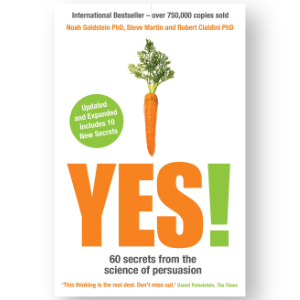
Yes! 60 Secrets from the Science of Persuasion

Book recommendation

Principles of Persuasion based on a decade of research explores scientifically proven insights to improve your ability to influence.

Why?

The book provides scientifically proven, small changes to behavior that significantly increase influence. It details how to effectively persuade others ethically at work and home

The book is built around key principles:

Reciprocity: People feel obliged to return favors. Give something first (a gift, information, or a concession) to get something back.

Scarcity: People want more of what they can have less of. Highlight unique benefits and exclusive information.

Authority: People follow credible, knowledgeable experts. Expose your expertise; don’t assume it’s obvious.

Consistency: People prefer to be consistent with things they have previously said or done. Ask for small, voluntary, public commitments.

Liking: People prefer to say yes to those they like. Liking is boosted by similarity, compliments, and cooperation.

Consensus (Social Proof): People look to the actions of others to determine their own, especially when uncertain.

Unity: People are more likely to say yes to someone who shares a common identity

Yes!

60 Scientifically Proven Ways to Be Persuasive

29 May 2017

By: Noah Goldstein, Steve Martin, Robert B. Cialdini